Serving Waterford, West Branch, and clients across Michigan through Bagley & Langan, PLLC. Meet your Michigan attorney.
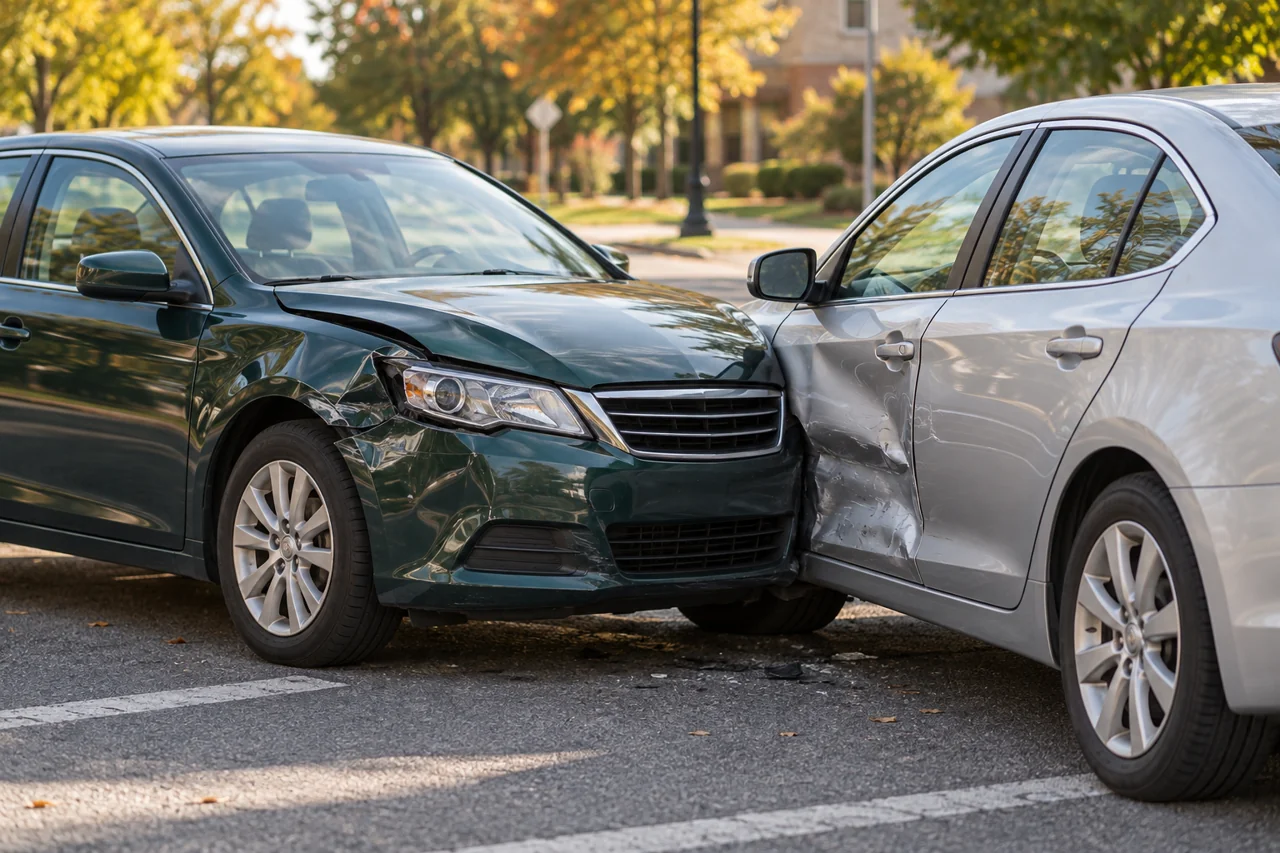
A claim against the responsible parties.
A bodily injury liability claim seeks compensation from the person or entity legally responsible for the crash. It is separate from your PIP claim. Depending on Michigan law and the facts, a claim may include pain and suffering and qualifying economic losses beyond available no-fault benefits.
Pain-and-suffering claims generally require death, permanent serious disfigurement, or a serious impairment of body function. Fault, causation, and the effect on your life all need careful evaluation.
Build the case while the evidence exists.
The work starts before a settlement discussion. I look at what needs to be preserved and what it will take to explain how the collision happened.
- Preserve the evidence. Identify photographs, vehicle damage, dashcam or surveillance footage, crash reports, electronic vehicle data, and relevant records before they are lost, overwritten, or changed.
- Talk with witnesses. Locate people who saw the collision and document what they actually observed. Their information may help resolve disputed accounts.
- Consider reconstruction. When the facts call for it, an accident reconstruction expert can analyze physical evidence, vehicle data, measurements, and crash dynamics. Expert work should answer the issues the case presents.
A policy limit is not automatically the value of your case.
A liability limit generally restricts what that insurer must pay under that policy. It does not automatically cap the at-fault party’s legal responsibility.
The practical question is what can be recovered, from whom, and under which coverage. Additional recovery must be investigated; it cannot be assumed.
Is there an umbrella policy?
An umbrella or excess liability policy may provide another layer of coverage beyond the primary auto policy. I look for potentially applicable coverage and other responsible parties, including vehicle owners or employers when the facts support it.
Per-person and per-accident limits, multiple injured people, coverage exclusions, and collectible assets can affect strategy. A claim beyond insurance limits may be legally available but difficult to collect. The liability investigation and the coverage investigation belong together.
Primary auto liabilityReview limits, terms, and competing claims.
Umbrella or excess coverageInvestigate whether another policy applies.
Other parties & collectible assetsConsider legal responsibility and practical recovery.
Protect the related claims before settling.
If UM/UIM coverage may apply, the liability settlement must be coordinated with that policy’s requirements. A release signed too early can affect other rights. Let’s review the full picture before accepting a final offer.
References & legal context
- Michigan DIFS — Bodily injury liability coverage
- MCL 500.3135 — Motor vehicle tort liability
- NAIC — Umbrella policies
General information, not legal advice. Eligibility, coverage, deadlines, and available damages depend on the law, policy terms, and facts. Reviewed October 22, 2026.